


Discovering the psychology of casino players
The Allure of Risk-Taking
Understanding the psychology of casino players often begins with an exploration of their fascination with risk-taking. Many individuals are inherently drawn to uncertainty, and casinos provide a controlled environment where they can engage with risk in a heightened emotional state. The thrill of the potential reward can often outweigh the fear of loss, a phenomenon known as risk-reward psychology, particularly in scenarios such as online casino fast withdrawal options that enhance the excitement. This compelling dynamic encourages players to take chances that they might avoid in other areas of their lives.
Moreover, the adrenaline rush associated with high-stakes gambling can be addictive. The excitement generated by spinning a roulette wheel or pulling a slot machine lever sends a surge of dopamine through the brain, reinforcing the sensation of pleasure. This neurochemical response is crucial in understanding why players often return to casinos, despite the potential for financial loss. It suggests that the emotional highs associated with gambling can create a powerful incentive to continue, even when rational thinking would advise against it.
Additionally, the environment of a casino is meticulously crafted to amplify this allure. Bright lights, engaging sounds, and the constant presence of other players celebrating wins contribute to an atmosphere that feels alive and exhilarating. This sensory overload can further diminish players’ awareness of their surroundings and the consequences of their actions, leading to decisions that prioritize immediate gratification over long-term considerations.
The Role of Cognitive Biases
Cognitive biases significantly influence the decision-making processes of casino players, often leading them to make irrational betting choices. One notable bias is the gambler’s fallacy, which is the belief that past events affect future outcomes. For instance, a player who observes a specific number not appearing in roulette may feel compelled to bet on it, convinced that it is “due” for a win. Understanding this bias is critical for casinos, as it can drive player behavior and increase stakes even when the odds remain unchanged.
Confirmation bias also plays a pivotal role, as players tend to focus on wins and ignore losses. This selective memory can create a false sense of confidence, further fueling the desire to continue gambling despite adverse outcomes. Players might recall the times they’ve won or the big jackpots that were won right before them, allowing those memories to overshadow the reality of their overall gambling history. This cognitive distortion can lead to a cycle of chasing losses, where players continue to gamble heavily in hopes of recouping funds they’ve already lost.

Furthermore, social influences cannot be underestimated in this context. Players often engage in group behaviors influenced by peers, which can amplify both the excitement and risk levels. Being part of a winning party can reinforce beliefs about luck and skill, providing a false sense of reality that can cloud judgment. By recognizing these cognitive biases, players may better understand their motivations and the psychological traps that casinos create to maintain engagement.
The Emotional Rollercoaster
The emotional state of players fluctuates dramatically during their casino experiences, contributing to a complex psychological landscape. Winning can evoke feelings of euphoria, while losing may lead to disappointment or despair. This emotional rollercoaster is integral to the gambling experience, as players often chase the high of their previous wins, hoping to replicate the feelings associated with success. The unpredictability of outcomes fuels this emotional intensity, making every visit to the casino feel like a new adventure filled with both hope and anxiety.
These emotions can also lead to more profound psychological consequences, including addiction. For some players, the cycle of winning and losing becomes a source of compulsive behavior. As they seek to overcome feelings of sadness or dissatisfaction, they may increasingly turn to gambling as a coping mechanism. The temporary highs from wins can make it difficult to confront the realities of their financial and emotional states, perpetuating a harmful cycle.
The influence of emotions within the gambling environment is further amplified by marketing strategies employed by casinos. Promotions that target players’ emotions—such as loyalty programs and celebratory events—play on their psychological vulnerabilities. By creating a sense of community or personal connection, casinos can foster a deeper emotional engagement with the player, making it challenging for them to walk away even when they know it might be in their best interest.
The Impact of Environmental Factors
The design and atmosphere of a casino significantly impact player behavior and psychology. From the layout of the casino floor to the placement of the games, every detail is intentionally curated to keep players engaged. For example, games that offer quick results, like slot machines, are often strategically placed near high-traffic areas. This positioning draws players in and encourages continuous play, as the easy access may lead to extended gaming sessions.
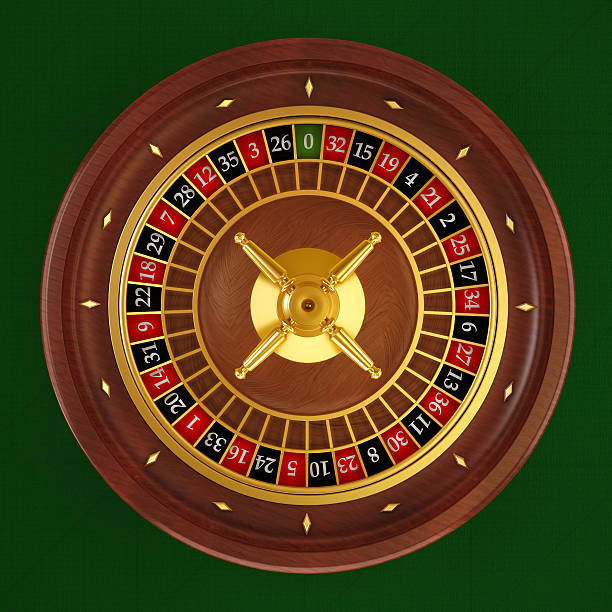
Additionally, the presence of complimentary drinks and snacks serves to enhance the player experience. While these perks may seem like generous offerings, they also contribute to mindless consumption and can lead to longer gambling sessions. Players often lose track of time and money while indulging in free refreshments, leading to decisions that may not align with their original budget or intentions. The strategy of providing these amenities plays on the psychology of comfort and pleasure, reinforcing the idea that gambling is a leisure activity rather than a financially risky behavior.
Moreover, the absence of windows or clocks within many casinos keeps players disoriented regarding time. This environmental manipulation encourages prolonged gambling, as players remain unaware of how long they have been playing. The combination of engaging stimuli and the lack of temporal anchors can lead to what is known as “the zone,” where players become completely immersed in the experience. Understanding how these environmental factors interact with player psychology offers vital insights into why individuals may find it so challenging to leave the casino.
Exploring Resources for Responsible Gambling
As players navigate the psychological complexities of gambling, resources for responsible gambling are crucial. Numerous organizations and websites provide information aimed at promoting awareness about the risks associated with gambling. They offer valuable tools such as self-assessment quizzes, educational materials, and hotlines that allow individuals to seek help if they feel their gambling habits are becoming problematic. These resources serve as important lifelines for those who may be struggling with the emotional and financial fallout of gambling.
Additionally, many casinos are now implementing programs to promote responsible gambling. This includes strategies such as setting limits on the amount of money and time players can spend at gaming tables or slot machines. By introducing mechanisms that encourage self-regulation, casinos are acknowledging the importance of supporting player welfare alongside entertainment. Such initiatives can help mitigate the adverse effects of gambling and contribute to a more sustainable gaming environment.
For those interested in understanding the psychology behind casino play, reputable websites offer articles, forums, and community support where individuals can discuss their experiences and share insights. This collective knowledge can demystify gambling behavior, empowering players to make informed decisions. Ultimately, the goal is to foster an environment where players can enjoy the thrill of gambling while being aware of and managing the psychological factors at play.

